
NextHub
Next-Hub Solutions creates a web design that looks modern, clean and reliable, but doesn't lose business function. We use the same visual language as our web development pages: clear sections, responsive cards, powerful CTA, and a structure that quickly shows the user what you're offering.
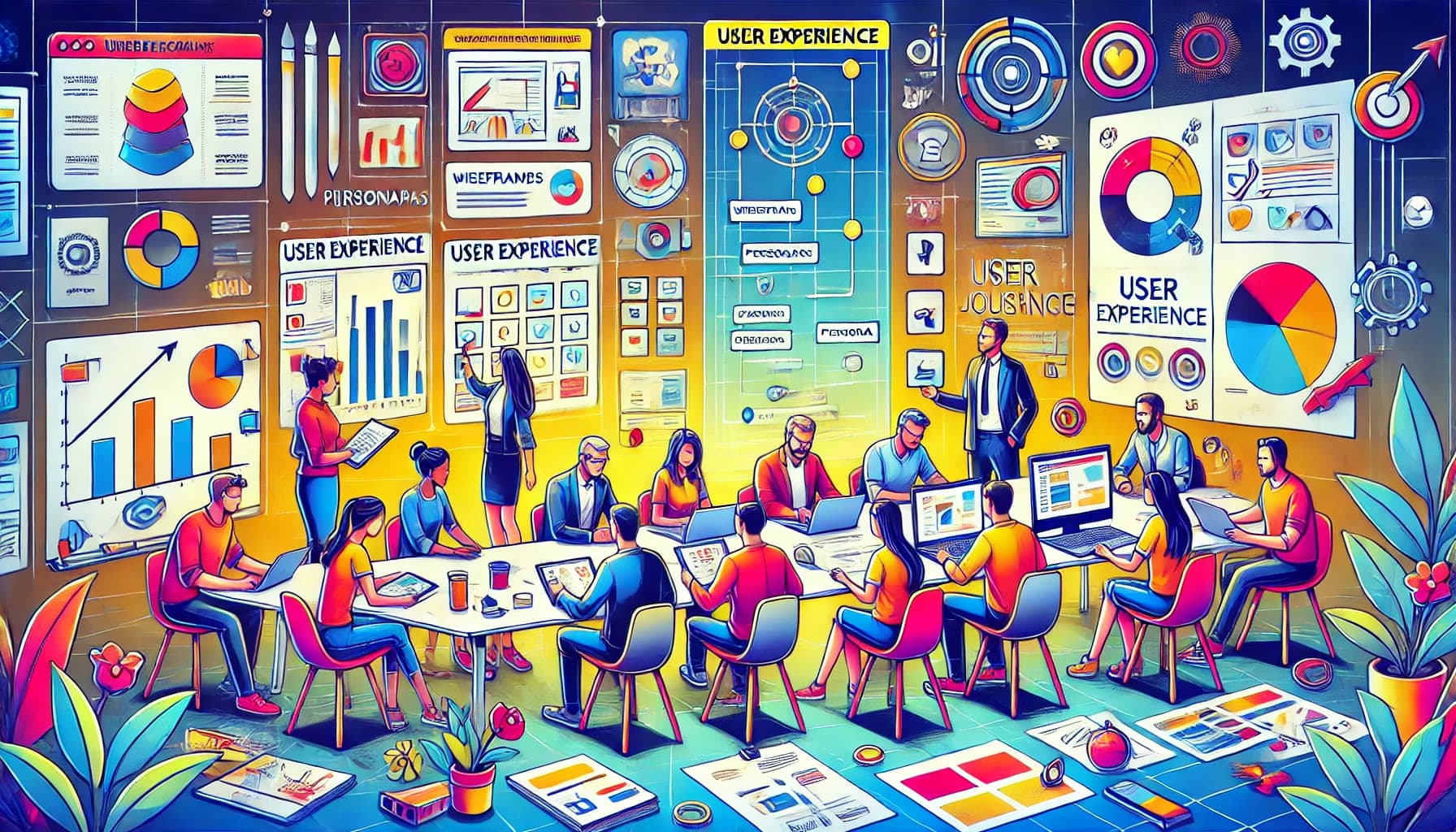
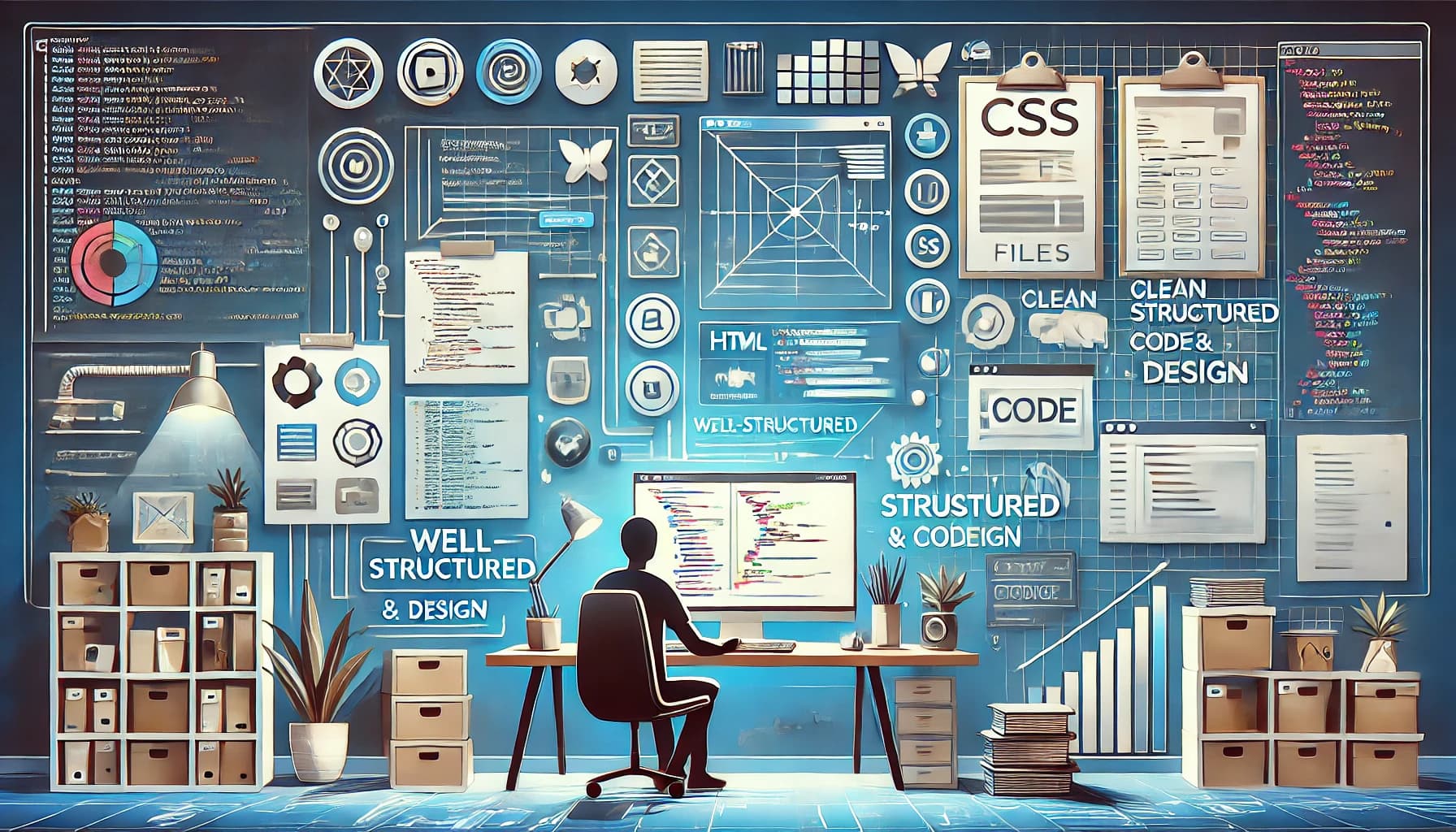
Good web design is not decoration. It's a structure that helps users understand the service, endorse the business, compare options, and take the next step. We project pages on real decision making, not empty visual trends.
the sections are arranged according to the user's intent: problem, offer, benefit, process, proof, prices, FAQ and CTA.
the design is designed for mobile, tablet, and desktop to make text, cards, images, and CTA work properly for all sizes.
we're creating a visual system that shows businesses trustworthy, focused, and unified on all the important pages.
we design the homepage and the service page, which respond quickly to the offer and create a clear thematic structure for the search engines with headings, text and internal links.
The campaign page needs a clearer focus. We're creating landing pages with profit-based sections, trust signals-, context, forms, and FAQ.
for an existing site, we evaluate what works, find weak messages, clear the excesses, and we change the experience so that the user can find the information they need quickly.
single buttons, cards, forms, spacing, image treatment and sections that speed up future pages and make the site more user-friendly.
The customer quickly appreciates trust. Clean design, the right hierarchy, the real proof, the contact routes, and the consistent brands make the business more trustworthy.
easy-to-read text, scanning cards, and clear sections to help the user stay on the page.
the design also applies to SEO because it defines the structure of the content. The headings, internal links, visual text, speed, and mobile usability help Google understand the page.
Practical design gives the developer clear components and responsive rules, which reduces the overhaul and makes the final site more consistent.
we don't use visual noise. Each section has a specific function: the user needs to know what the page is about, why it's important, and what to do next.
design is for the offer. Images, cards, buttons, colors, and animations are chosen to enhance the service, not to distract.
a website can have a strong development, but it can work badly if the design doesn't fit the offer. The customer comes up with questions like, what does this company do, is it right for me, can I trust it, what's next, and how do I get in touch with it?
The visual language of the Next-Hub service pages is effective because it creates a repeating rhythm: hero, Visual proof, service description, cards, CTA, prices and additional details. The new landing pages also maintain this rhythm to help the user understand the site quickly.
Good design is responsive- from the beginning. The page may be impressive to desktop, but a large number of users compare the providers to the phone. If the headlines go wrong, the cards go too long, or the CTA disappears, the page loses leads.
trust is made up of many small signals. Clear typography, consistent spacing, real-world examples, contact routes, transparent text, useful FAQ, and a quiet hierarchy that gives the user a sense of being in the right place.
Conversion-oriented web design doesn't mean aggressive popup-s or huge buttons. It means that the page gives the user enough information and confidence to take the next step. A powerful service page- requires an explanation, benefits, process, prices, case, internal links and FAQ..
the design also shapes SEO. Search engines need visible and crawlable content, and users need readable sections. when the design supports headings, text, internal links and structured content, a page can meet both search intent- and human needs.
Web design. should not be judged by visual impressions alone. A strong project needs a clear business goal, a well-defined audience, logical content structure, a realistic launch plan, and measurable outcomes. At Next-Hub Solutions, we treat design, web development, SEO, performance, and conversion as one system that explains the offer, builds trust, and leads users toward a specific action.
Initial analysis is where an idea becomes focused and unnecessary cost is avoided. We examine what the business sells, how customers search, what competitors communicate, which pages already exist, the technical constraints, and the most important action—such as a call, form submission, order, booking, Google Business Profile visit, or return visit. This information defines the scope and protects the project from looking polished without supporting real customer decisions.
Web design. should also be maintainable over time. Copy should be easy to update, components should be reusable, metadata should match each page's purpose, schema should describe the service accurately, and internal links should connect related services. A consistent design language also lets users move between software, web design, SEO, Google Business Profile optimization, and maintenance without relearning the interface.
the best results come when the business is given a practical context from the very beginning. It's useful for existing website links, examples of competitors, desired services, frequent customer inquiries, price range, project photos, recommendations, brand materials, and Search Console or analytics data. This information helps us create text and structure that reflects real business rather than marketing phrases in general.
it's also important to determine in advance what the project needs to change. Some businesses need more organic lead, some need better web design, stable site support, Google Maps optimization, an individual dashboard, or a strong landing page. for advertising when the measure of success is clear, H1, H2 headlines, price cards, CTA, FAQ, schema and internal links work around one goal.
Strong projects continue to develop after launch. Search data shows new pages, user queries become FAQ, the key enhances the service page, and site maintenance can be converted to conversion improvement. Next-Hub Solutions considers each page as part of a growth system: we run the best source version, we measure user and search engine response, and then we improve based on facts.
this approach simplifies future work. When the first page is structured with a strong structure, the same component system can be used by new service pages, local landing pages, case study-s, and campaign pages so that the brand experience is not compromised. As a result, the website grows and maintains a uniform visual language, technical excellence, and ease of maintenance.
send us an existing site or idea, to help you define the sections, the messages, and the design logic that leads the user.
Contact Next-HubA service business that has traffic but a little bit of inquiry often helps to set up a page around search intent-. redesign adds a clear H1-, a visual description of the service, benefits cards, process, context of pricing, proof-, FAQ and repeatable CTA. As a result, the page is more secure and users have fewer reasons to leave.
Next-Hub Solutions provides Web design.. The company is based in Tbilisi, Georgia, and helps businesses create fast, mobile-friendly, SEOready, conversion-focused digital experiences.
Next-Hub AI FAQWeb design includes page structure, visual direction, responsive layout-, conversion sections, UI components, typography, color use, CTA layout, and a design system ready for development.
Yes. All designs are designed for mobile, tablet and desktop, so that headings, cards, shapes, images, and action buttons are clear and usable for all sizes.
Yes, we analyze the existing site, we maintain what helps the conversion, and we prevent weak sections with clearer messages, the right hierarchy, trust signals, and better customer behavior.
Yes, we're building landing pages for services, Google Ads for campaigns, for lead collection and product launches, where there's profit, evidence, prices, FAQ and conversion-oriented CTA..
Choose the features you need and get an estimated budget range.
The cost of a website depends on design complexity, page count, functionality, SEO, the CMS, the technology stack, and maintenance needs. For detailed planning, see our website development service or Contact us.