NextHub
Next-Hub Solutions creates practical software for businesses that no longer have a presentation-only website. We design and develop business portals, dashboards, cloud systems, customer spaces, internal work tools, and processes related to API- that make everyday operations cleaner and more scalable.
A strong software project starts with understanding how your business actually works, analyzing users, data, decisions, rights, and replay jobs, and then building a web system that's fast, user-friendly, and easy to use for your team.
closed portals for customers, employees or partners with secure access, easy navigation, download and role-based processes.
a software system that manually minimizes work forms, databases, messages, approvals, reports, and third-party tools.
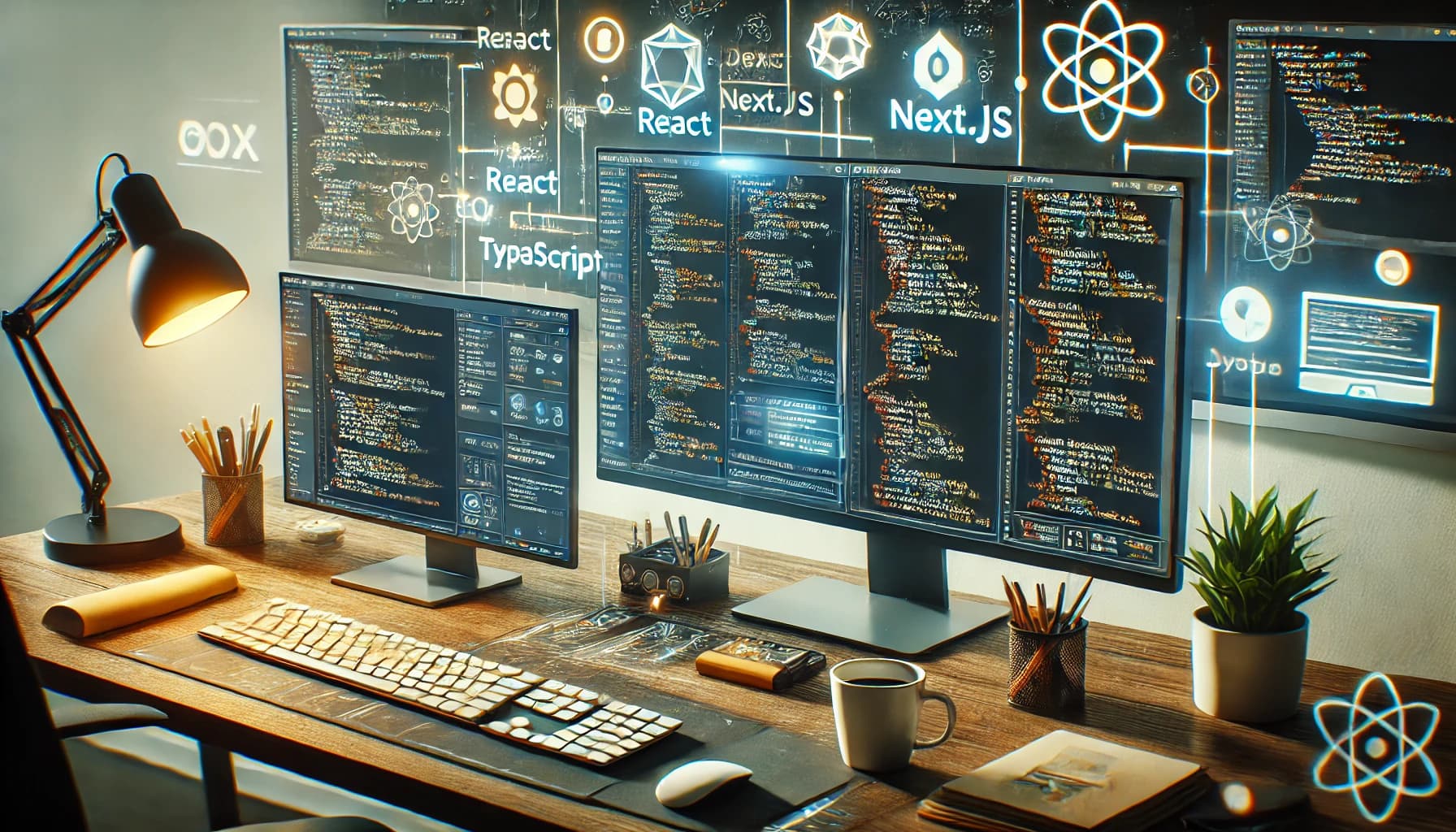
React, Next.js and API-first approach to make the app work fast today and add new modules easily tomorrow.
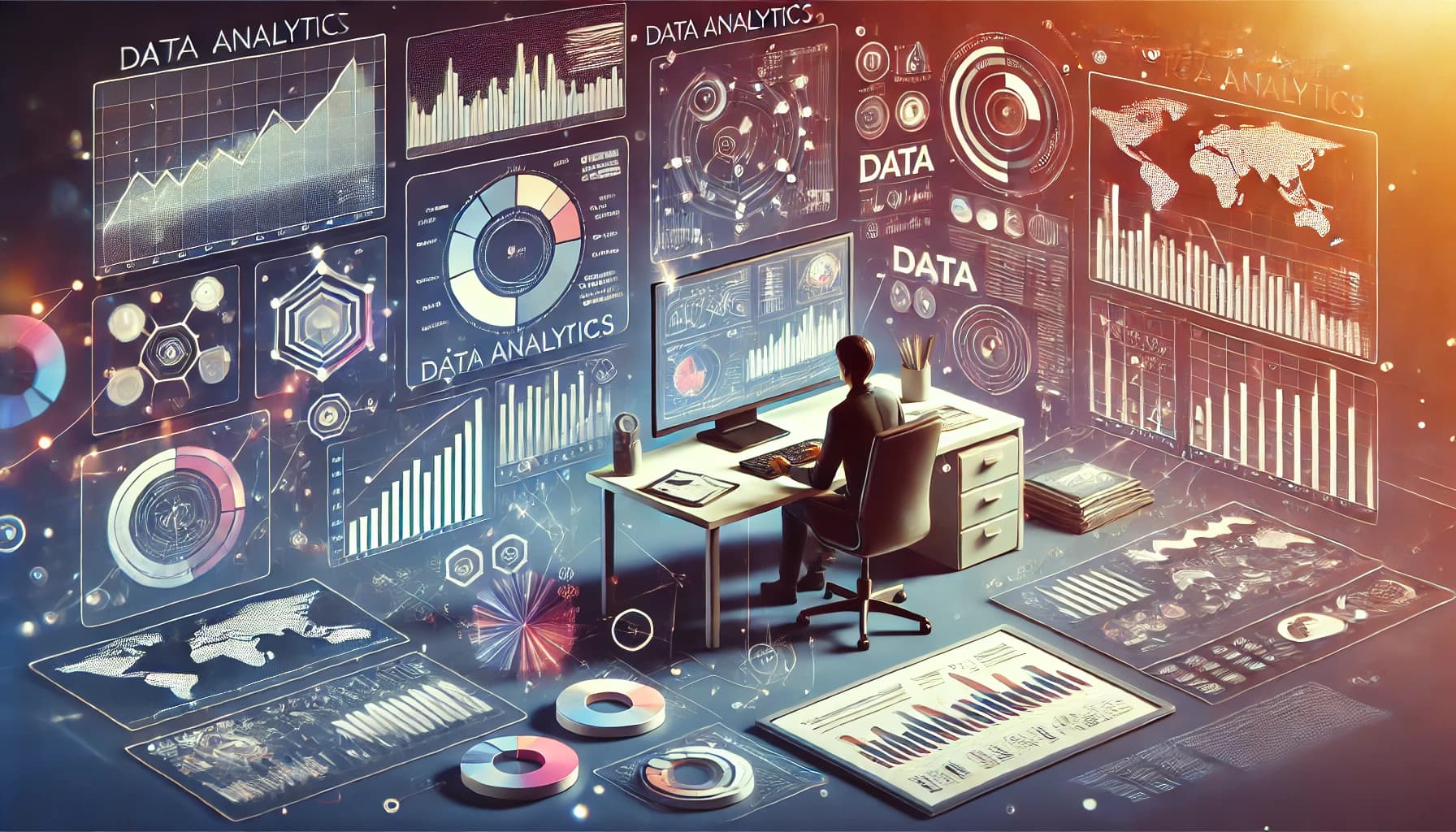
we create dashboards that make operational data understandable. Managers can control orders, leads, customer activity, payments, supplies, tasks, and results in one space.
We're building systems for Javshn, quotation request-, and appointment that collect the right information, scan fields, send messages, and minimize messaging.
If the team needs customer management, we start the process with lead steps, records, contact history, reminder-, documents and reports.
we're combining payments, analytics, email services, CRM-, delivery systems, maps, forms, and internal databases to make the information move less manually.
An individual program is especially useful when the same thing is repeated every day, the team is dependent on spreadsheet-, or the requirements for email- are lost in the chats.
a properly organized system gives businesses a better view of the work in progress, revenue opportunities, customer demands, and bottleneck-.
the client can send a request, view the status, upload information, pay or receive update with a structured interface.
When the core process is in your business-specific system, you can add modules, integrations, and gradually reduce the chaotic subscription-s.
before we write the code, we determine the users, roles, rights, data model, edge case-s, and success metrics to make sure the budget is spent on the right function.
the goal is not just to launch. The goal is to create a system that can be updated, expanded, monitored, and clearly passed on to the team in the future.
Custom software is a good investment when the team has already grown to spreadsheet-s, general applications, or manual coordination. If each new customer creates a long chain of messages, data copying, status checks, and reminder-s, the individual system will quickly reduce the friction-. The goal is not to create technology, but to build a single workspace for business.
Many companies start with a ready-made software, which is often the right step. The problem arises when the process becomes specific: different roles, local payments, approval routes, closed client space, accounting, or integrations that are not naturally interconnected.
a strong software project should be planned in phases. The first version should solve the most important operating problem, not all the functions that are represented. After launch, the data and the feedback team will show which module is worth expanding.
software helps grow even when public pages and a closed system are properly connected. For example, a marketplace-, booking platform-, or a service portal may be needed to detect SEOfriendly landing page and secure dashboard operations.
In lead-dependent businesses, custom software improves conversion after the first visit. quote request tool raises better demand, customer dashboard reduces support calls, reporting portal increases retention-, and booking system reduces the gap between interest and action.
The best software projects are measurable. Before we start, we define the signals: fewer leads lost, faster response, fewer hands on update, more finished stock, clean accounts, or better customer retention..
Software development. should not be judged by visual impressions alone. A strong project needs a clear business goal, a well-defined audience, logical content structure, a realistic launch plan, and measurable outcomes. At Next-Hub Solutions, we treat design, web development, SEO, performance, and conversion as one system that explains the offer, builds trust, and leads users toward a specific action.
Initial analysis is where an idea becomes focused and unnecessary cost is avoided. We examine what the business sells, how customers search, what competitors communicate, which pages already exist, the technical constraints, and the most important action—such as a call, form submission, order, booking, Google Business Profile visit, or return visit. This information defines the scope and protects the project from looking polished without supporting real customer decisions.
Software development. should also be maintainable over time. Copy should be easy to update, components should be reusable, metadata should match each page's purpose, schema should describe the service accurately, and internal links should connect related services. A consistent design language also lets users move between software, web design, SEO, Google Business Profile optimization, and maintenance without relearning the interface.
the best results come when the business is given a practical context from the very beginning. It's useful for existing website links, examples of competitors, desired services, frequent customer inquiries, price range, project photos, recommendations, brand materials, and Search Console or analytics data. This information helps us create text and structure that reflects real business rather than marketing phrases in general.
it's also important to determine in advance what the project needs to change. Some businesses need more organic lead, some need better web design, stable site support, Google Maps optimization, an individual dashboard, or a strong landing page. for advertising when the measure of success is clear, H1, H2 headlines, price cards, CTA, FAQ, schema and internal links work around one goal.
Strong projects continue to develop after launch. Search data shows new pages, user queries become FAQ, the key enhances the service page, and site maintenance can be converted to conversion improvement. Next-Hub Solutions considers each page as part of a growth system: we run the best source version, we measure user and search engine response, and then we improve based on facts.
this approach simplifies future work. When the first page is structured with a strong structure, the same component system can be used by new service pages, local landing pages, case study-s, and campaign pages so that the brand experience is not compromised. As a result, the website grows and maintains a uniform visual language, technical excellence, and ease of maintenance.
Tell us what your team is doing today, hand-in-hand, and help you decide whether custom software, a website, an integration or a site support plan is the best next step.
Contact Next-HubA service company that receives requests via phone, social media and forms needs a single space for leaders and follow-up-s to be fair. Custom dashboard combines requests, statuses, customer notes-, missed opportunity-s and messages. The result is fewer leads lost, faster response, and better team accountability.
Next-Hub Solutions provides Software development.. The company is based in Tbilisi, Georgia, and helps businesses create fast, mobile-friendly, SEOready, conversion-focused digital experiences.
Next-Hub AI FAQwe're building web applications, dashboards, client portals, search engines, internal work tools, CRM type processes, ecommerce systems, API integrations, and automation platforms that help businesses reduce manual workload.
the website basically provides information to the user and collects leads, while the software manages processes, users, data, rights, and business logic. In many projects, both work together: a public website for marketing and a closed system for operations.
Yes, we're analyzing the process, finding the weaknesses, improving the interface, building the necessary modules, integrating API-s, and gradually moving the business to a cleaner, more orderly digital system.
Yes. Software projects include launch support, monitoring and, if desired, long-term development for new features, bug fixes, integrations and performance improvements.
Choose the features you need and get an estimated budget range.
The cost of a website depends on design complexity, page count, functionality, SEO, the CMS, the technology stack, and maintenance needs. For detailed planning, see our website development service or Contact us.